When you think of assisted living communities, you might picture large facilities with hundreds of residents, institutional dining halls, and corridors of rooms. But increasingly, seniors and their families are discovering that smaller assisted living communities offer something special: a personalized, community-oriented approach to senior care that larger facilities simply cannot provide. If you're exploring assisted living options, understanding the benefits of smaller communities might change your perspective on what senior living can be.
## What Makes a Community Small?
There's no official definition, but most people consider small assisted living communities those with 30 to 75 residents, compared to large facilities with 150 to 400 or more residents. Small communities might be standalone houses adapted for several residents, converted homes in neighborhoods, or purpose-built smaller buildings. The key difference is that small communities maintain an intimate, residential feel rather than an institutional atmosphere.
Small doesn't mean inadequate. Many smaller communities provide the same range of services and care as larger facilities. What differs is the approach, the atmosphere, and the quality of personal relationships.
## The Personal Care Advantage
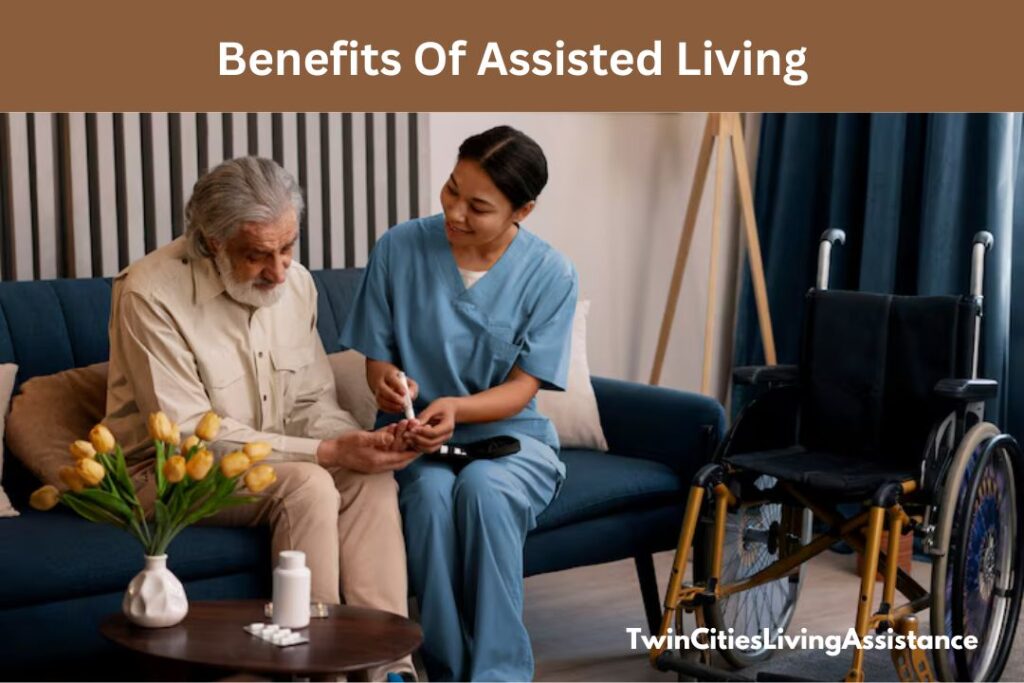
In a small community, staff members know residents as individuals with histories, preferences, personalities, and needs. When there are 40 residents rather than 300, your caregiver remembers that you always have tea at 3 p.m., that you're a former teacher who loves current events, that you prefer your hair styled a certain way, or that you get anxious on certain days.
This personalized knowledge translates into better care. Staff can anticipate needs rather than just respond to them. They notice when something changes, like decreased appetite or mood shifts, quickly. They can adjust care approaches based on knowing you as a person, not just reading a care plan.
For residents with dementia or memory issues, this matters even more. When staff members know you well and have consistent relationships with you, your anxiety decreases. You're less likely to feel like just another resident being cared for in a production-line manner.
Medication errors, missed meals, or forgotten personal preferences are less likely when staff members know each resident individually and can often catch problems quickly through direct observation and relationship.
## Community and Social Connection
Large facilities can feel overwhelming and isolating despite having hundreds of residents. The dining hall is noisy and crowded. Activities feel generic. You might sit in your room more often than in common areas because the social environment doesn't appeal to you.
Small communities naturally foster genuine community. With 40 to 60 residents rather than 300, you actually know other residents. You see the same people daily. Friendships form naturally because the environment encourages connection. Activities feel like friends gathering rather than a scheduled obligation.
The dining experience is different. You're eating meals with a group of people you know, often with some choice about where you sit and whom you eat with. Conversation flows naturally. Food tastes better when eaten in a relaxed, social atmosphere with friends rather than in a crowded dining hall.
Activities in small communities are often more meaningful because they can be tailored to the interests of your particular residents. If your community has several residents interested in gardening, you might have a garden project. If several enjoy art, you might have art classes. This beats generic programming designed for hundreds of people with varied interests.
## Quality of Life and Happiness
There's research showing that residents in smaller facilities report higher life satisfaction, lower depression, and better overall wellbeing than those in large facilities. Some of this comes from the social connection. Some comes from the residential feel. Some comes from greater autonomy and choice in daily life.
Small communities often have more flexible routines. Breakfast doesn't have to be at a set time for hundreds of residents. If you want breakfast at 7 a.m. one day and 8:30 a.m. the next, that's manageable. If you want to host your grandchildren for dinner, the staff can usually accommodate it more easily.
Activities and outings can be spontaneous and responsive to resident interests. If a group wants to go see a specific movie, take a scenic drive, or visit a particular restaurant, it's easier to arrange than in a large facility.
Your room and immediate environment feel more like home. With fewer residents sharing facilities, you're not waiting in lines for the bathroom, competing for the television remote, or dealing with constant noise and activity.
## Staffing and Care Continuity
Staff turnover is a serious problem in assisted living. When residents see different caregivers constantly, it's disorienting and affects care quality. In larger facilities, turnover can be very high, sometimes 50 percent or more annually.
Small communities often have lower turnover because staff feel more connected to residents and find the work more rewarding. When you're caring for 40 people you know well, rather than 300 people you see in passing, the work feels more meaningful. This improves morale and retention.
When your caregiver stays with your community, you develop real relationships. They know your preferences, your history, what works for you. This consistency significantly improves both care quality and your own sense of security and belonging.
Smaller staff teams also communicate better. Everyone knows what's happening with each resident. There are fewer communication breakdowns and missed information.
## Safety and Monitoring
Paradoxically, small communities can actually be safer despite having fewer residents. Because staff know residents well, changes in behavior or health are noticed immediately. If you're usually social but suddenly withdrawn, someone notices quickly. If your appetite decreases or you seem confused, it gets addressed right away.
Wandering, a major concern in memory care, is easier to monitor in a small community. Staff know you and notice immediately if you're somewhere you shouldn't be. The building layout is often simpler, making it easier to ensure residents are safe.
With fewer residents and staff, emergency situations are easier to manage. Staff can respond quickly to falls, medical events, or behavioral issues.
## Family Involvement and Partnership
Family members often feel more welcome and involved in small communities. You're not competing with hundreds of other families for staff attention. You might see the same staff members each visit, building relationships with people who care for your loved one.
Staff often involve families more actively in care planning and daily life. They might call you regularly with updates, invite you to participate in activities, or ask your input on preferences and care approaches. This partnership approach is more common in smaller settings.
Visiting feels less institutional. You might have tea with your parent and their friends in a cozy living room rather than sitting in a large, institutional visiting area.
## Cost and Value
Small communities aren't necessarily less expensive than large ones, though some are. However, what you get for the cost is often better value. You're paying for personalized care, consistent relationships, genuine community, and a residential environment. These factors improve quality of life in ways that matter deeply.
When comparing costs, consider not just the monthly fee but what's included and what additional services cost. A slightly higher fee in a small community might actually represent better value if it includes more meals, activities, transportation, and personalized care.
## Potential Considerations
Small communities do have some potential drawbacks worth considering.
Less extensive facilities might mean fewer activity options or less amenities. You might not have an on-site beauty salon, fitness center, or swimming pool. Some people value these amenities.
Limited care levels might mean that if your needs increase, you'd need to move to a larger facility offering higher care levels. Some larger communities allow aging in place across different care levels within the same facility.
Less anonymity is important for some people. If privacy and distance from staff and other residents appeals to you, a small community's close relationships might feel intrusive.
Smaller staff means less specialty expertise. A large facility might have a nurse practitioner on staff daily. A small community might coordinate healthcare through outside providers.
These considerations matter for some people and less for others. For many seniors, the benefits of personalization, community, and quality relationships far outweigh these potential drawbacks.
## Is a Small Community Right for You?
Small assisted living communities work best for people who value relationships, community, and personalized attention. If you're someone who thrives on social connection, prefers knowing people well before trusting them, and wants to maintain a residential feel in your living environment, a small community is likely a good fit.
They also work well for people who prefer quieter environments and don't need extensive amenities or multiple activity options daily. If you have specific interests that might be shared by other residents, a small community can often cater to those better than a large facility.
Small communities might be less ideal if you require complex medical care that needs specialist nurses on-site, if you might need different care levels as your health changes, or if you strongly prefer anonymity and distance in your living situation.
[LINK: /assisted-living-burnsville-mn/]
[LINK: /parent-transition-assisted-living-minnesota/]
## Making Your Choice
If you're exploring assisted living options in the Twin Cities area, consider visiting both small and large communities. Spend time observing the atmosphere, talking with residents and staff, and imagining yourself living there. You'll likely feel the difference that size and approach make.
## Call to Action
Twin Cities Living Assistance specializes in small, personalized community senior care. We believe that smaller is better when it comes to building genuine relationships, providing individualized care, and maintaining the residential community feel that makes life worth living. We'd love to welcome you for a tour and introduce you to our residents and staff. Experience firsthand the difference that a small, caring community makes in quality of life. Contact us today to schedule a visit.