
When a parent can no longer live safely alone, families in Minnesota usually end up choosing between two options: assisted living or a nursing home. The two can sound alike, but they are licensed differently, staffed differently and paid for differently. Choosing the wrong one can mean paying for medical care your parent does not need, or not getting the care they do need. This guide explains the differences in plain language so you can decide with confidence.
The key difference in one sentence
Assisted living is a home with daily help for people who need support with everyday tasks. A nursing home is a medical setting for people who need skilled nursing care around the clock.
Assisted living vs nursing home at a glance
| Assisted living | Nursing home | |
|---|---|---|
| Who it is for | People who need help with daily activities, medication and supervision, but not constant medical care | People with complex medical needs, or recovering from a hospital stay |
| Minnesota license | Assisted living facility license, or assisted living with dementia care (Minnesota Statutes chapter 144G) | Nursing home license (chapter 144A) plus federal CMS rules |
| Staff | Trained caregivers, with nurses for assessments and care oversight | Licensed nurses on site 24/7, a medical director and therapists |
| Setting | Private or shared room, home-like living spaces | Clinical rooms, often shared |
| Typical Minnesota cost (2025 median) | About $6,480 a month | About $10,650 a month (semi-private) to $13,870 a month (private) |
| Medicare | Does not pay for assisted living | Pays for a limited skilled nursing stay after a qualifying hospital stay |
How Minnesota regulates each one
Since August 2021, every assisted living facility in Minnesota must be licensed by the Minnesota Department of Health under chapter 144G. There are two license types: assisted living facility and assisted living facility with dementia care. Each resident must have an individual service plan, and facilities must follow training and staffing rules and protect residents’ rights.
Nursing homes are licensed under chapter 144A and must also meet federal Medicare and Medicaid standards. Those standards set minimum nursing hours, require a medical director and cover areas such as infection control and resident care planning.
Twin Cities Living Assistance holds Minnesota Assisted Living Facility License #41508 and is in active standing with the Minnesota Department of Health.
What daily life looks like
In assisted living
Residents live as independently as they can, with help nearby whenever they need it. Caregivers help with bathing, dressing, grooming, toileting and moving around. Staff manage medications, cook meals, keep the home clean and plan activities. Residents keep their routines, have visitors when they like and decorate their own rooms.
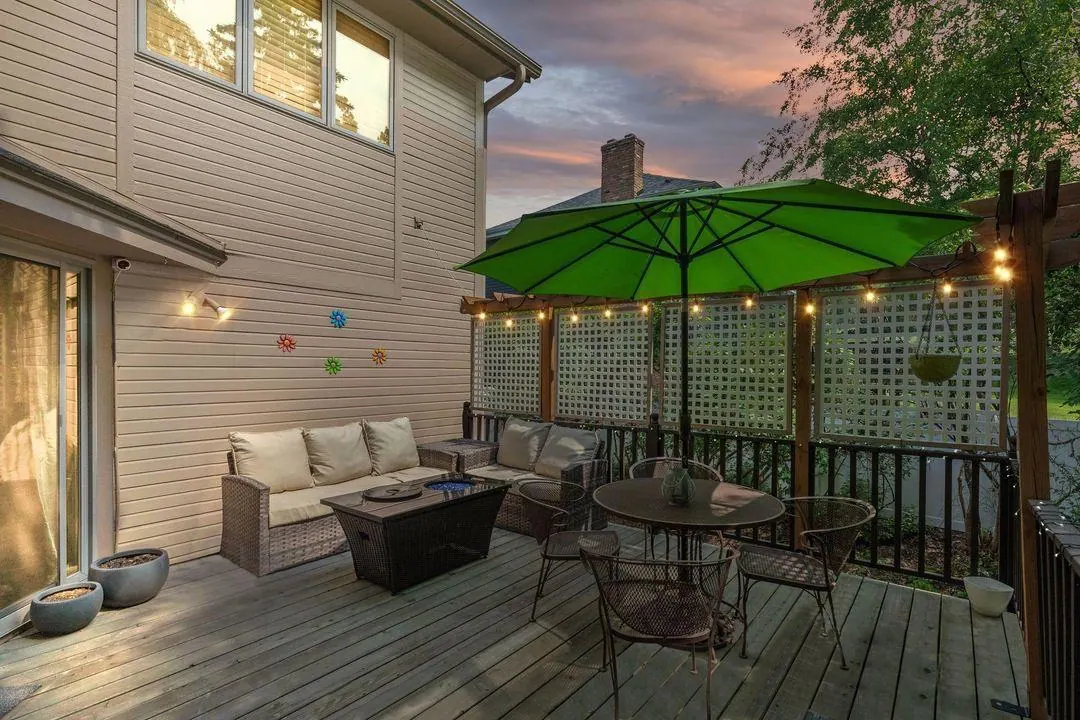
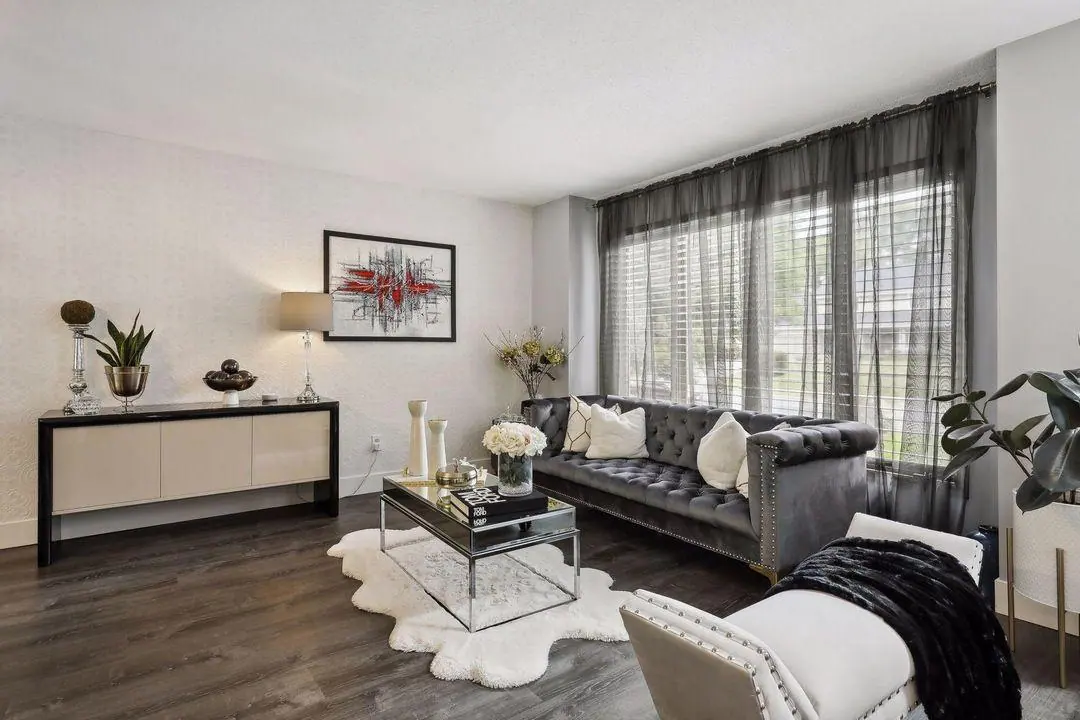
In a small home like ours, with no more than five residents, the feel is closer to family life than to a facility. Meals are cooked in a real kitchen, and everyone gathers at the dining table.
In a nursing home
Care is organized around medical needs. Nurses give treatments such as wound care, IV medications and tube feeding, and therapists provide physical, occupational and speech therapy. Many people stay in a nursing home for a short time to recover after surgery or a hospital stay, then move home or to assisted living.
Signs assisted living is the right fit
- Your parent needs help with some daily activities, such as bathing, dressing or managing medications.
- They are not safe alone at night, or have fallen at home.
- They are lonely, eating poorly or no longer keeping up with the house.
- Their medical conditions are stable and managed by their doctors.
- They can move around, with or without a walker or wheelchair, and with help with transfers.
Our article on the signs it’s time for assisted living covers these in more depth.
Signs a nursing home may be needed
- They need skilled nursing treatments every day, such as complex wound care or IV therapy.
- They need two people to move them at all times and cannot help with transfers at all.
- Their medical condition is unstable and needs frequent nursing assessment.
- They are recovering from a hospital stay and need daily rehabilitation therapy.
Not sure which applies? Ask your parent’s doctor or hospital discharge planner. A MnCHOICES assessment through your county can also help set out what level of care is needed.
Paying for each option
Medicare does not pay for assisted living or long-term nursing home care. It can pay for up to 100 days in a skilled nursing facility after a qualifying hospital stay of at least three days. Days 1 to 20 are covered in full. In 2026, days 21 to 100 cost $217 a day in coinsurance, unless a supplemental plan covers it.
Medical Assistance (Minnesota’s Medicaid program) pays for long-term nursing home care for people who qualify financially. For people who would rather live in the community, the Elderly Waiver can pay for care services in assisted living for people 65 and older who meet the same nursing home level of care. Adults under 65 may qualify for waivers such as CADI, BI or DD.
Many families also use savings, long-term care insurance or veterans benefits. Our guide to Minnesota Medicaid waivers explains the waiver programs in more detail.
Questions to ask before you decide
- What care does my parent need today, and what will they likely need in a year?
- Can this residence meet those needs as they change, and when would they ask a resident to move?
- How many staff are on site during the day and at night?
- How are medications handled, and how often does a nurse see each resident?
- What is included in the price, and what costs extra?
- Can we visit at different times of day and meet the caregivers?
Talk it through with us
If you are trying to decide between assisted living and a nursing home for a parent in Burnsville or the south metro, we are happy to talk it through, even if our home turns out not to be the right fit. Call (612) 964-2222, send us a message or take a virtual tour of the home. You can also read more about what is included in assisted living with us.
For free, independent advice, Minnesota Aging Pathways (formerly the Senior LinkAge Line) is available at 1-800-333-2433, Monday to Friday, 8 a.m. to 4:30 p.m.
Cost figures are from the CareScout 2025 Cost of Care Survey for Minnesota. The Medicare coinsurance amount is the 2026 figure published by CMS. Program rules change, so please confirm details with your county, Medicare or Minnesota Aging Pathways.