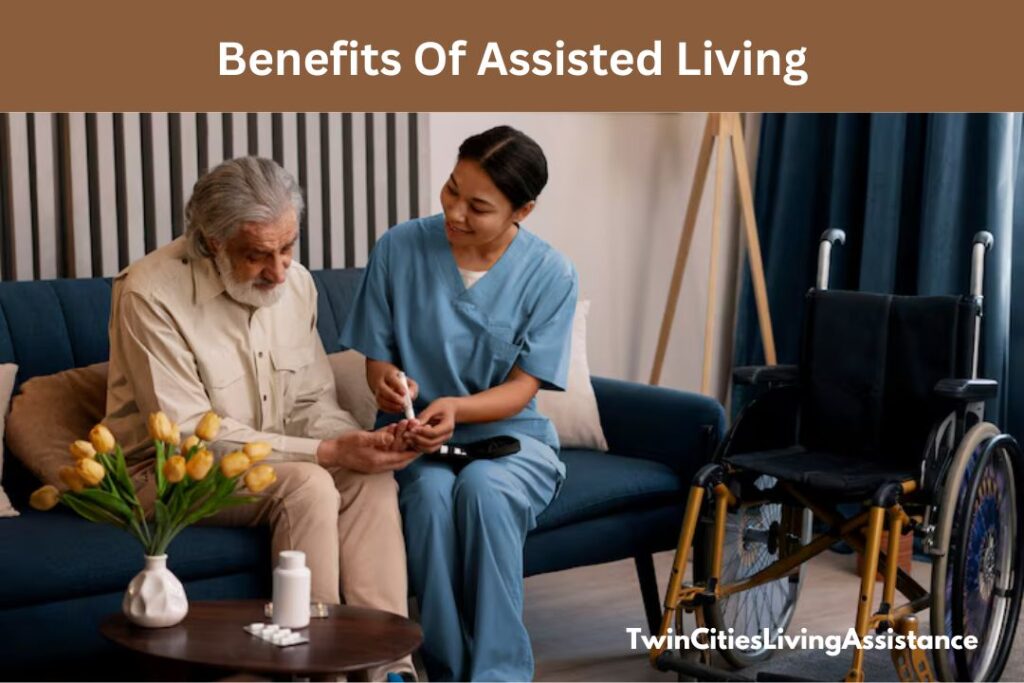
When your parent or aging loved one needs help at home in Minnesota, you might encounter two terms: companion care and personal care. On the surface, they sound similar, but they’re actually different services with different purposes, different costs, and different training requirements. Understanding the difference is crucial for choosing the right care for your family.
What is Companion Care?
Companion care focuses on providing social connection, emotional support, and help with non-medical household activities. A companion caregiver might prepare meals, do light housekeeping, run errands, provide transportation to appointments, assist with medication reminders (but not administration), and spend time engaging socially with your parent.
The primary purpose is reducing isolation and providing support with daily life activities that don’t require medical or personal care. Companion caregivers are not medical professionals. They typically have minimal formal training beyond a background check, and their role centers on being present and helpful.
A companion might sit and chat with your parent, play cards, help them get to a book club, organize a closet, or cook a meal together. The value here is significant: loneliness and isolation are serious health risks for older adults, and a companion provides meaningful human connection and practical support that helps someone remain independent longer.
What is Personal Care?
Personal care involves assistance with activities of daily living (ADLs), which include dressing, bathing, grooming, toileting, and transferring (like from bed to chair). Personal care aides are trained to help with these intimate, physical tasks in a respectful, dignified way.
Personal care is more physically involved. A personal care aide helps someone with mobility, hygiene, and personal needs. They might help with incontinence issues, assist with showering, or help someone dress. This requires training in proper techniques to prevent injury to the care recipient and caregiver.
In Minnesota, personal care providers have specific licensing requirements and must complete training. A certified nursing assistant (CNA) can provide personal care, though not all personal care aides are formally certified. Personal care is more regulated and often covered by insurance or Medicaid.
Key Differences
Level of Physical Care
Companion care is non-physical. Personal care involves hands-on physical assistance with intimate care tasks. If your parent simply needs help with cooking and transportation, companion care fits. If they need help bathing or toileting, they need personal care.
Training Requirements
Companion caregivers typically need a background check but minimal formal training. Personal care aides in Minnesota must meet specific requirements, often including CPR certification, training in safe handling techniques, and understanding of privacy and dignity in personal care.
Cost
Companion care is generally less expensive because it requires less training and is not regulated as strictly. Personal care typically costs more because it’s more specialized, regulated, and often partially covered by insurance or Medicaid.
Insurance Coverage
Personal care is often covered, in whole or part, by Medicare, Medicaid, long-term care insurance, or private insurance if prescribed by a physician as medically necessary. Companion care is rarely covered by insurance because it’s not deemed “medical.”
Type of Support
Companion care emphasizes emotional support, engagement, and non-medical assistance. Personal care emphasizes physical assistance with essential bodily functions and hygiene.
Scenarios That Call for Companion Care
– Your parent is independent with personal care but needs help with meal prep, errands, and transportation – Your parent is isolated and needs social engagement and activities – Your parent is recovering from illness but doesn’t need physical assistance – Your parent needs reminder help with medications (but no injections or medical tasks) – Your parent would benefit from someone to check in daily and provide emotional support
Scenarios That Call for Personal Care
– Your parent needs help with bathing, dressing, or toileting – Your parent has mobility issues and needs assistance transferring – Your parent is recovering from surgery and needs physical assistance with self-care – Your parent is dealing with incontinence and needs discreet, respectful assistance – Your parent has a chronic condition that affects their ability to perform personal care tasks
Many Situations Need Both
It’s important to know that many aging adults don’t fit neatly into one category. Someone recovering from a hip surgery might need personal care temporarily, then transition to companion care as they regain independence. Someone with early dementia might need both: personal care if they lose the ability to bathe safely, and companion care because social engagement helps with cognitive health and mood.
A comprehensive care plan might include both services. Perhaps a personal care aide helps in the morning with dressing and hygiene, and a companion caregiver provides afternoon support with meals, activities, and household tasks.
How to Assess Your Parent’s Needs
Start by asking specific questions: – Can your parent bathe and dress independently? – Can they use the toilet without help? – Do they need physical support transferring (from bed to chair, for example)? – Are they at risk of falling or do they need mobility assistance? – Can they manage meal preparation, or do they need help? – Are they isolated and would benefit from social engagement? – Are they taking medications, and can they manage them independently?
Based on the answers, you’ll get a clearer picture of whether personal care, companion care, or both are appropriate.
Working with a Care Agency in Minnesota
If you’re working with a home care agency in the Twin Cities, they can assess your parent’s needs and recommend appropriate services. Reputable agencies conduct detailed assessments before proposing a care plan.
Ask the agency: – What training and experience do your caregivers have? – What’s included in companion care vs personal care services? – How much do each service cost, and what’s covered by insurance? – How is continuity ensured if a caregiver is unavailable? – What’s your process for matching a caregiver with our family?
Financial Considerations
Companion care, being unregulated and uncovered by insurance, is entirely out-of-pocket. Personal care might be partially covered if it’s medically necessary and prescribed by a physician.
Minnesota has a Medicaid Home and Community-Based Services (HCBS) waiver program that can cover personal care for eligible seniors. If your parent qualifies, they might have coverage for personal care assistance.
Understand the financial reality upfront so there are no surprises. Some families combine paid care with family involvement to manage costs.
The Emotional Aspect
Both services provide something important: the knowledge that your parent is not alone. Whether it’s a companion who visits for social connection or a personal care aide who ensures dignified assistance with intimate tasks, good care provides peace of mind for families and safety and dignity for the care recipient.
Moving Forward
If you’re in Minnesota and your parent is aging, having a conversation early about what type of care might be needed is wise. Are there health issues that suggest physical care needs? Is isolation a concern? What does your parent prefer?
Starting with companion care might be appropriate, with the understanding that personal care might be needed later. Or personal care combined with companion care might provide the most comprehensive support for your parent’s wellbeing.
The goal is maintaining your parent’s independence, dignity, and quality of life while ensuring their safety. Whether that’s companion care, personal care, or both, understanding the difference helps you make informed decisions for your family.