If you’re considering assisted living for yourself or a loved one in the Burnsville area, you’re taking an important step toward ensuring your comfort, safety, and quality of life in your later years. Burnsville offers excellent assisted living communities that combine personalized care with the convenience of the Twin Cities metro area. Whether you’re an active retiree looking for maintenance-free living or someone who needs support with daily activities, understanding what assisted living in Burnsville entails helps you make the right decision.
Understanding Assisted Living in Burnsville
Assisted living is a residential option designed for seniors who want to maintain independence while receiving help with daily living activities. It bridges the gap between living completely independently and moving to a nursing home. In Burnsville, assisted living communities range from small, intimate residences to larger communities with multiple buildings and extensive amenities.
The core concept of assisted living is simple: residents have their own private living space where they maintain control over their daily life, but professional staff are available to help with activities they cannot manage independently. This might include medication management, help with bathing or dressing, meal preparation, housekeeping, or simply knowing that help is available if needed.
What makes assisted living different from independent senior housing is the availability of personal care assistance. Unlike independent communities where you’re responsible for cooking all your meals and managing all household tasks, assisted living provides support while still allowing you to make choices about how you want to live.
In Burnsville, you’ll find communities that emphasize different aspects of senior living. Some focus on active, independent seniors who mostly need housekeeping and social activities. Others specialize in caring for seniors with significant medical or cognitive needs. Many offer a range of care levels under one roof.
What Residents Receive in Assisted Living
Almost all assisted living communities include basic services, though what’s included varies by community and care level.
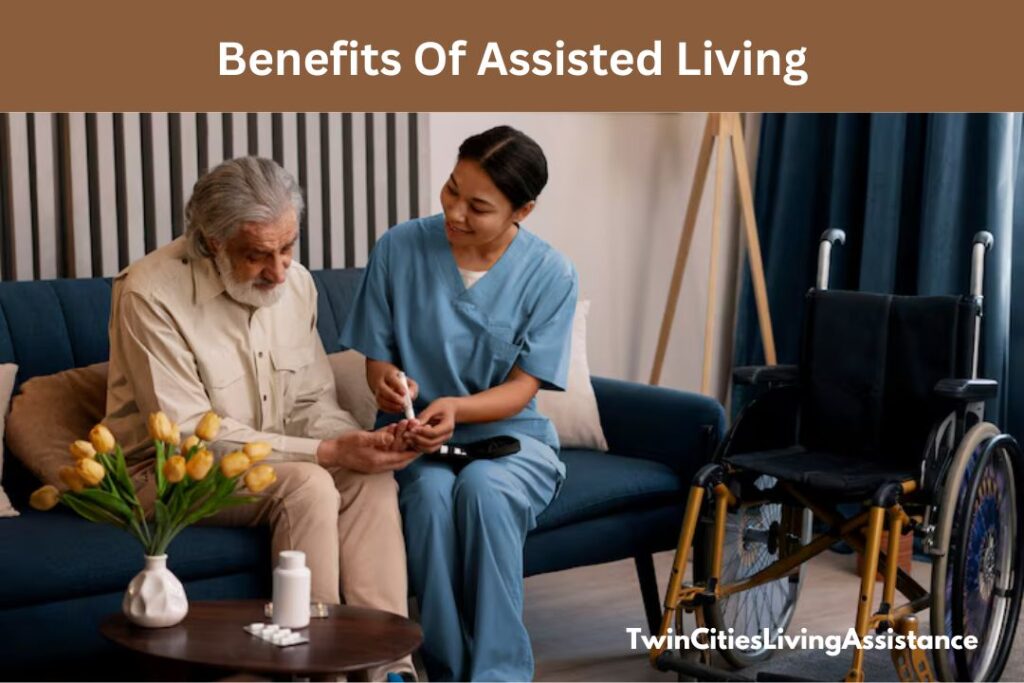
Personal care assistance typically includes help with activities of daily living like bathing, dressing, grooming, and toileting. If you need assistance with these tasks, trained staff are available during the times you need them.
Medication management is standard. Staff help remind you to take medications, and in some cases, administer medications directly. This is especially important if you take multiple medications or have a complex medical regimen.
Meals and nutrition are typically handled by the facility. You receive meals in a common dining area or in your room if needed. Most communities can accommodate dietary restrictions or preferences. Having professionally prepared meals means you don’t have to grocery shop, meal plan, or cook unless you want to.
Housekeeping and laundry services keep your living space clean and your clothes washed. This alone reduces the burden of home maintenance significantly.
Transportation to medical appointments, shopping, or community activities is usually provided. You’re not dependent on family members for every trip, and you have access to community activities.
Social activities and programs help you stay engaged and connected. Most communities offer activities ranging from fitness classes to book clubs, card games, arts and crafts, entertainment, and outings to restaurants or cultural events.
Emergency response systems mean that help is available immediately if you need it. Most residents wear an alert button, and trained staff respond to calls.
Healthcare coordination connects residents with doctors, specialists, and medical services. The community may have nurse staff or coordinate with external healthcare providers.
The Advantages of Assisted Living in Burnsville
Choosing assisted living in Burnsville offers specific advantages for Minnesota seniors.
Location is excellent. Burnsville sits in the southern Twin Cities metro area, providing easy access to Mayo Clinic Rochester for specialized medical care, excellent Minneapolis and St. Paul hospitals, shopping, restaurants, cultural activities, and outdoor recreation including the Minnesota River Valley. You’re not isolated, and neither are your family members visiting from other parts of the metro area.
Community feel is important. Burnsville is established enough to have good services and diverse opportunities, but it maintains a community-oriented atmosphere. Many residents appreciate that their assisted living community becomes a neighborhood where they know their neighbors and staff members know them personally.
Cost is reasonable compared to the Twin Cities metro as a whole. Burnsville offers good value in assisted living without the premium prices of some other metro areas.
Family involvement is easier. If your adult children live in Minneapolis, St. Paul, or other Twin Cities locations, visiting is manageable. The community is also large enough that residents can participate in the broader Twin Cities culture while living in a smaller, less overwhelming community.
Weather considerations matter for Minnesota residents. Burnsville communities understand winter and manage snow removal, transportation, and activities accordingly. This matters if you’re concerned about mobility during harsh winters.
Access to Minnesota-specific amenities is available. If you want to participate in Minnesota cultural activities, attend events at the Metrodome, or enjoy the outdoor recreation Minnesota is famous for, Burnsville provides good access.
Evaluating an Assisted Living Community in Burnsville
When evaluating assisted living options, you’re looking at several key factors.
Staff and care quality directly affects your daily experience. Does the facility have sufficient staffing to respond quickly to needs? How are staff trained? What’s staff turnover like? Observe how staff members interact with residents. Do they seem caring and attentive?
Physical environment matters. Is the building clean and well-maintained? Are rooms a good size with natural light? Is there adequate parking for visitors? Are there safe outdoor spaces? Is the building accessible if mobility is a concern? Can you personalize your room with your own furniture and belongings?
Food and dining are important because you’ll eat meals there daily. What’s the quality of food? Are there choices? How frequently do menus change? Can they accommodate dietary restrictions or preferences?
Activities and engagement opportunities should appeal to your interests. Does the community offer activities you’d actually want to participate in? Can you pursue hobbies or interests?
Healthcare services and coordination affect your ongoing wellbeing. Is there nursing staff on-site? How do they coordinate with your doctors? Can they handle minor medical issues, or do you need to go to urgent care for everything?
Cost and what’s included is fundamental. Does the monthly fee include meals, activities, housekeeping, and utilities? What services cost extra? Are there additional fees for increased care needs?
Community feel and resident satisfaction tell you how current residents feel. Are residents engaged and social? Do they seem content? What do family members say about their experiences visiting?
Family involvement policies matter. Can family visit anytime? Can you participate in activities? Are there regular family meetings? Do they welcome input about your care?
Types of Residents Who Thrive in Assisted Living
Assisted living isn’t right for everyone, but it’s ideal for many life situations.
Active seniors who enjoy social engagement often thrive in assisted living communities. If you’re retired, healthy, and looking for a social community while reducing home maintenance responsibilities, assisted living provides freedom to enjoy life without property upkeep.
Seniors who need some help but aren’t ready for nursing care benefit significantly. If you need help with bathing or medications but can manage most activities independently, assisted living fits perfectly.
People dealing with caregiver burden often find relief in assisted living. If you or your spouse have been managing extensive home care needs, assisted living can provide necessary support while maintaining independence.
Widows and widowers often find assisted living communities valuable for the social connection and built-in community that alleviates loneliness.
Seniors with chronic health conditions benefit from proximity to healthcare services and staff trained in medication management and health monitoring.
Common Concerns About Moving to Assisted Living
Many people worry about the transition to assisted living, and these concerns are valid.
Loss of independence is a real concern, but the goal of assisted living is to maintain as much independence as possible while providing necessary support. You’ll still make decisions about your daily life. You just have help with what you cannot manage.
Cost is legitimate. Assisted living in Minnesota typically ranges from $3,000 to $6,000 monthly, depending on the level of care and community. However, many people find that the cost is comparable to or less than attempting to maintain a home and hire private care.
Adjustment to new environment takes time. Most residents experience an adjustment period. Choosing the right community with good social opportunities and staff support helps significantly.
Loss of control over one’s environment is a concern for some. The best communities give residents choice about meals, activities, decor in their rooms, and daily schedules.
Worry about quality of care is natural. Visiting facilities, talking with current residents and family members, and checking references helps address this concern.
Making Your Decision
Choosing assisted living is a significant decision. Start by exploring communities in Burnsville that interest you. Schedule tours and talk with residents and staff members. Discuss options with your family. Take time with your decision rather than rushing it.
Remember that your first choice doesn’t have to be permanent. Some people thrive immediately while others need time to adjust or discover that a different community is a better fit. Good communities work with residents to ensure they’re satisfied with their living situation.
[LINK: /benefits-small-assisted-living-communities/]
[LINK: /parent-transition-assisted-living-minnesota/]
Taking the Next Step
If assisted living in Burnsville interests you, Twin Cities Living Assistance is here to help you explore your options. We understand that choosing where and how you want to live is deeply personal. Our community is designed to provide personalized senior care in an environment that feels welcoming and community-focused. We invite you to schedule a tour, meet our staff, and get to know our residents. Let us show you what compassionate, personalized assisted living in Burnsville looks like. Contact us today to arrange a visit.